

Blogs
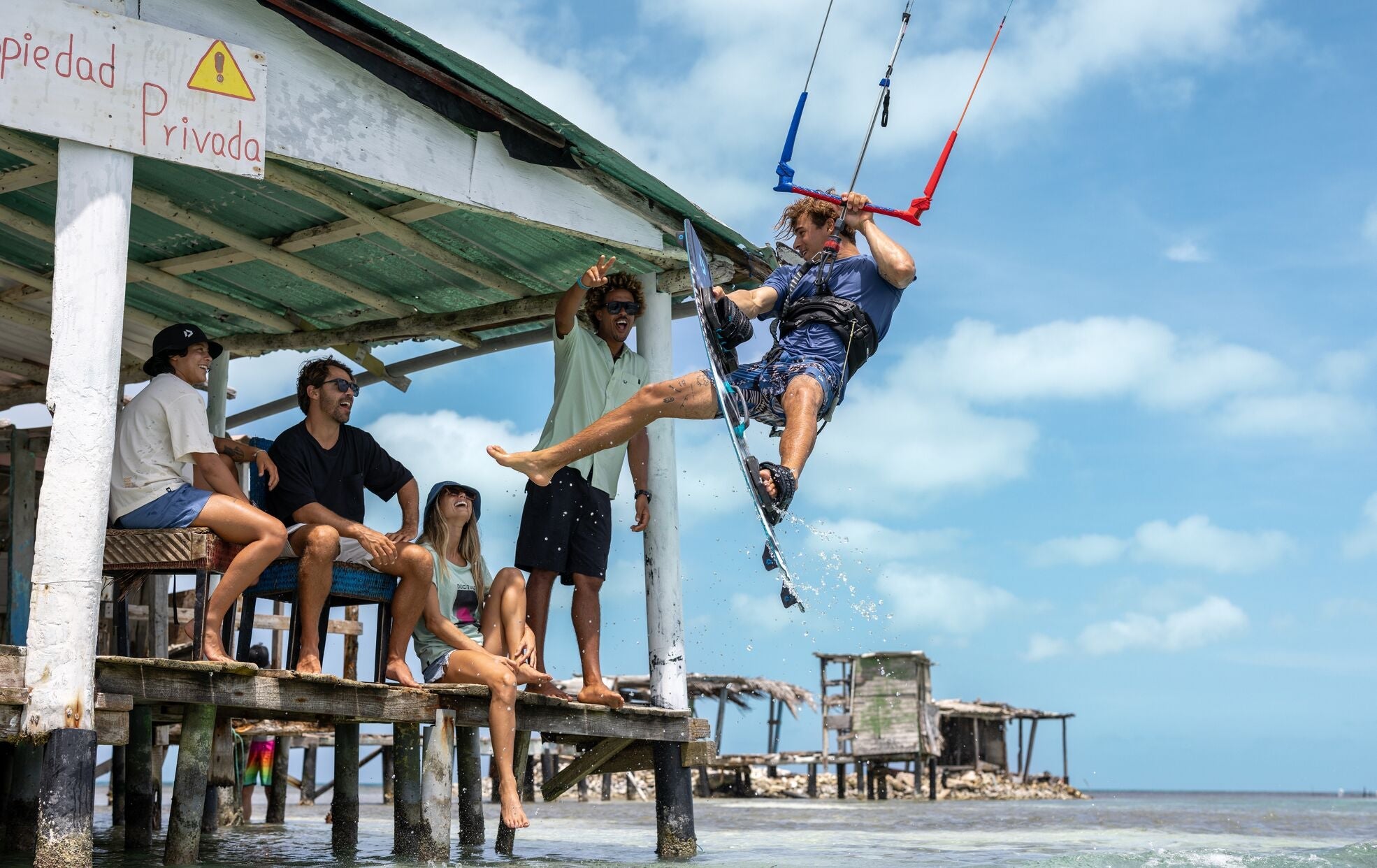

The Best Kitesurfing Gear for Florida Conditions: A Beginner's Guide
Not sure what kitesurfing gear works best in Florida? Discover the beast beginner kite, board, and safety tips to help you learn faster and ride in confidence.
Learn more
How to Choose the Right Kiteboarding Kite: A Complete Buyer’s Guide
Written by one of our top instructors, Jose of Kite Legend School, this guide explains how to choose the right kite based on your weight, local wind conditions, riding style, and experience level. Learn how to avoid common mistakes and find the perfect setup for safer, more enjoyable sessions on the water.
Learn more
Armstrong X-Form MKII & X-Wing Performance 5.5 Wing Review: The Ultimate Wingfoil Set Up for Every Condition
Our instructor shares his firsthand experience with the new Armstrong X-Form MK II and 5.5 X-Wing Performance Wing, highlighting the lightweight feel, incredible stability, faster takeoffs and impressive light-wind performance that make this one of the most exciting wing setups he's ever ridden.
Learn more
Why You Need a Kiteboarding Bag
Whether you’re heading to your local beach or catching a flight to a kite destination halfway around the world, one piece of gear stands out as absolutely essential: a kiteboarding bag. A kiteboarding bag does much more than hold your equipment. It protects your investment, keeps your gear organized, and makes travel significantly easier. Without the right bag, even a simple session can turn into loose kites, tangled lines, and boards sliding around in your car or getting damaged during transport. Protection Against Damage Kiteboarding gear is built to perform on the water, not to be tossed unprotected into a trunk or checked through an airport. Boards, kites, bars, and fins are constantly exposed to bumps, salt, sand, and pressure during transport. A dedicated kiteboarding bag adds padding, structure, and abrasion resistance, helping protect your gear from everyday wear and from harder impacts during travel. A great example is the Mystic Saga Golfbag Boardbag (2025). This premium boardbag is designed for riders who travel with multiple boards or take longer trips. Its golf-style shape offers extra internal space and padding, making it ideal for protecting boards from sharp fins and rough handling during flights or long road trips. Better Organization for Gear Load-Outs A kiteboarding session involves more than just a kite and a board. Most riders travel with: Multiple kite sizes Control bars and lines Harnesses and pumps Wetsuits or impact vests Leashes, tools, and accessories A quality kiteboarding bag keeps everything organized and easy to access, so you are not digging through loose gear at the beach or forgetting critical items at home. The Core Kite Gearbag is a perfect example of a bag built with organization in mind. It is designed to carry kites, bars, lines, harnesses, and accessories together in one durable bag. This makes it especially useful for riders who want an all-in-one solution for road trips or airline travel. Travel Ease and Convenience Kiteboarding gear can be heavy and awkward to move, especially when traveling. The right bag makes transport far more manageable by adding features that reduce strain and simplify movement. Many high-quality kiteboarding bags include: Wheels for easy rolling through airports or parking lots Multiple carry handles for balanced lifting Compression straps to reduce bulk Backpack or shoulder straps for hands-free carrying For riders who prioritize convenience for local sessions and quick beach trips, the Ride Engine Forecast Kite Bag stands out. This compact, rider-friendly bag is built using Ride Engine’s RE-Gen materials and features backpack straps and compression straps, making it easy to carry without unnecessary bulk. Protection From Elements and Moisture Kiteboarding bags are also designed to protect gear from the elements. Durable, weather-resistant materials help shield equipment from sand, salt spray, and moisture during transport. Good bags allow damp gear to be packed temporarily without trapping moisture against sensitive materials. This helps prevent corrosion, mildew, and unnecessary wear, keeping your equipment in better condition between sessions. Choosing the Right Kiteboarding Bag The best kiteboarding bag depends on how and where you ride. When choosing a bag, consider: SizeMake sure the bag fits your board length and the amount of gear you typically carry. Some riders prefer compact bags for local use, while others need space for multiple boards and travel setups. Protection LevelLook for padding, reinforced panels, and durable materials that protect against impact and abrasion. Transport FeaturesWheels, straps, and handle placement matter, especially if you travel frequently or carry heavier loads. Explore all of our Kiteboarding Bags and Gear Bags here. Top Kiteboarding Bag Picks at Jupiter Watersports Here are three excellent kiteboarding bags available at Jupiter Watersports, each suited to a different riding and travel style: Mystic Saga Golfbag Boardbag (2025) A premium travel boardbag designed for riders who need space for multiple boards or longer trips. Its golf-style design offers added padding, internal volume, and strong protection for airline and road travel. Core Kite Gearbag A high-capacity gear bag ideal for transporting kites, bars, lines, harnesses, and accessories together. Perfect for riders who want a single, durable bag for full kite setups. Ride Engine Forecast Kite Bag A compact and versatile kite bag built for local sessions and quick trips. Featuring RE-Gen materials, backpack straps, and compression straps, it is lightweight, practical, and easy to carry. Final Thoughts A kiteboarding bag is one of those pieces of gear you may not fully appreciate until you own one. Once you do, it becomes essential. The right bag protects your equipment, keeps your setup organized, and makes getting to and from the water far easier. Whether you ride locally or travel often, investing in a quality kiteboarding bag helps ensure every session starts smoothly. Your gear deserves the same attention as your board and kite, and the right bag brings it all together.
Learn more
Kitesurfing vs Kiteboarding: What’s the Difference?
If you are new to wind-powered watersports, you will often hear the terms kitesurfing and kiteboarding used interchangeably. While many people group them together, experienced riders know there is a meaningful distinction, especially when it comes to the board being used and the style of riding. At Jupiter Watersports, we differentiate these two disciplines clearly. While both use the same kite systems, bars, lines, and harnesses, the board choice defines the discipline. Below, we break down the real difference between kiteboarding and kitesurfing so you understand what each one is, how they ride differently, and which style may be right for you. The Short Answer Kiteboarding typically refers to riding a twin-tip board, whileKitesurfing refers to riding a directional surf-style board. The kite itself is the same. The riding experience is not. What Is Kiteboarding? Kiteboarding is most commonly associated with twin-tip boards. These boards are symmetrical, meaning they can be ridden in either direction without turning the board around. Twin tips are always ridden with bindings or foot straps, which keep the board attached to the rider’s feet. This setup is ideal for: Big air jumps Freestyle tricks Riding flat water Riding both directions without switching stance Because of the bindings and symmetrical shape, kiteboarding allows riders to load up power, edge hard, and boost vertically. This is the style most people think of when they see high jumps and tricks in kite videos. What Is Kitesurfing? Kitesurfing, as we define it at Jupiter Watersports, refers to riding a directional surf-style board with a kite. These boards look very similar to traditional surfboards: One pointed nose Fins on the tail Designed to ride in one direction Unlike twin tips, kitesurf boards are not typically ridden with bindings. Most riders use wax or a textured deck pad for traction. Some riders add foot straps, especially for jumping or aggressive riding, but many prefer a strapless setup. Kitesurfing is primarily about: Riding waves Surf-style carving Down-the-line riding A more fluid, surf-inspired feel Same Kite, Different Boards One important thing to clarify is that kiteboarding and kitesurfing use the same kites. The difference is not the kite itself, but how the rider interacts with the water through the board. Both disciplines use: Inflatable leading-edge kites The same control bars and lines Harnesses and safety systems What changes is how the board behaves under your feet. Riding Feel: Twin Tip vs Directional Board Kiteboarding (Twin Tip Feel) Locked-in feel due to bindings Strong edge control Easy riding in both directions Ideal for jumps and tricks Kitesurfing (Directional Feel) Surf-style carving More freedom of movement Requires footwork and board control Excels in waves and swell Neither is better. They are simply different experiences. Which One Should You Choose? Choose kiteboarding if you want: Big air and freestyle riding A forgiving, symmetrical board Strong edging and jumping performance A setup that feels secure and predictable Choose kitesurfing if you want: Wave riding and carving A surf-style experience Strapless or minimal-strap riding A more fluid, surf-inspired feel Many experienced riders do both, switching boards depending on conditions. What About Kite Foiling? There is also a third discipline that continues to grow in popularity: kite foiling. Kite foiling uses a small directional board with a hydrofoil mounted underneath. This allows the rider to lift above the water and ride efficiently in lighter wind. Kite foiling has even been featured in the Olympics, highlighting how fast and technical the discipline has become. While kite foiling is different from both kiteboarding and kitesurfing, it still uses the same core kite systems. Final Thoughts While kitesurfing and kiteboarding share the same roots and equipment, the board defines the discipline. At Jupiter Watersports, we make that distinction clear: Kiteboarding is twin tip riding with bindings Kitesurfing is directional board riding inspired by surfing Understanding the difference helps you choose the right board, ride the right conditions, and progress faster in the style that fits you best. If you have questions about boards, setups, or which discipline makes sense for your riding goals, the team at Jupiter Watersports is always happy to help.
Learn more
The Core Foil Components Explained
If you are new to foiling, the gear can look overwhelming at first. Masts, fuselages, front wings, rear wings, and complete kits all get mentioned interchangeably, which often leads to confusion. The reality is simple. Every hydrofoil, regardless of discipline, is built from the same core components. Understanding how each part works will help you choose the right setup and progress faster on the water. In this guide, we break down the core foil components, explain what each one does, and show why many riders choose complete hydrofoil kits instead of mixing parts individually. What Makes Up a Hydrofoil System? A hydrofoil system is designed to lift the board above the water, reducing drag and creating a smooth, efficient ride. While brands may vary in design and materials, the structure remains consistent across wing foiling, kite foiling, and other foil disciplines. Every hydrofoil system is made up of four primary components: Foil mast Foil fuselage Front wing Rear wing (also called a stabilizer) Each part plays a specific role in stability, lift, speed, and control. Foil Mast The hydrofoil mast connects the board to the foil assembly below the water. It determines how high you ride above the surface and plays a major role in stability. Shorter masts are often preferred by beginners because they feel more forgiving and make it easier to recover from mistakes. Longer masts offer better performance in chop and swell, but they require more balance and control. Key things the mast affects: Ride height above the water Stability and control Ability to handle rough conditions Foil Fuselage The foil fuselage is the horizontal piece that connects the front wing and the rear wing. It acts as the backbone of the foil system and strongly influences how the foil feels while riding. Longer fuselages provide more stability and smoother control, making them ideal for learning. Shorter fuselages create a more responsive and maneuverable ride, which advanced riders often prefer. The fuselage directly impacts: Turning radius Pitch stability Overall balance of the foil Front Wing The front wing is the main source of lift. Its size, shape, and surface area determine how easily the foil rises out of the water and how it performs once flying. Larger front wings generate lift at lower speeds, making them perfect for beginners and lighter wind conditions. Smaller front wings are faster and more agile, but they require better technique and higher speeds. Front wing choice affects: Lift and takeoff speed Glide and efficiency Speed and maneuverability Rear Wing (Stabilizer) The rear wing, often called the stabilizer, balances the front wing and keeps the foil stable. While smaller than the front wing, it plays a critical role in how controlled and predictable the foil feels. A larger stabilizer adds stability and smoothness, which is helpful for learning. Smaller stabilizers allow for tighter turns and a more playful ride, but they demand precise control. The rear wing influences: Pitch control Stability at speed Overall riding feel Why Foil Components Are Often Sold as Kits For many riders, especially those getting started, choosing individual foil components can lead to compatibility issues or poorly matched setups. This is why complete hydrofoil kits are so popular. Hydrofoil kits include all the core foil components that are designed to work together. This removes the guesswork and ensures proper balance, performance, and safety. Benefits of choosing a complete kit include: Guaranteed compatibility between parts Proper balance for learning and progression Better overall value compared to buying parts separately You can explore properly matched setups in our Hydrofoil Kits collection. Choosing the Right Foil Setup for Your Riding Style While all hydrofoils share the same core components, the ideal setup depends on how and where you ride. Wing foilers often prioritize lift and stability for lighter wind conditions. Kite foilers may prefer faster, more compact setups that respond quickly. Starting with a balanced foil kit allows you to learn efficiently. As your skills improve, you can fine-tune individual components to match your riding style and conditions. Final Thoughts Understanding the core foil components helps you make smarter gear decisions and progress faster on the water. While each part has a specific role, the way they work together matters most. That is why many riders choose complete hydrofoil kits when building their first setup. If you have questions about foil components or need help selecting the right kit, the team at Jupiter Watersports is always happy to guide you toward the best option for your goals and riding conditions.
Learn more
Slingshot B2 Trainer Kite: Your First Step Toward Kiteboarding Mastery
Learning to kiteboard is both exciting and challenging. Before you hit the water with a full-sized inflatable kite, there’s a valuable skill you need first: understanding how a kite behaves in the wind. That’s where the Slingshot B2 Trainer Kite comes in, and it’s one of Jupiter Watersports’ best-selling products for good reason. The Slingshot B2 Trainer Kite is the original two-line foil trainer that’s made learning kite skills safe, intuitive, and fun. Designed to help you develop coordination, wind awareness, and confidence, the B2 is a must-have for anyone serious about progressing in kiteboarding. What Makes the Slingshot B2 Trainer Kite Special? At its core, the B2 Trainer Kite is a 2-line foil kite engineered to be light, responsive, and forgiving. Perfect for beginners and younger riders under 130 lbs who want to build real kite-flying skills before jumping into lessons or full-power kites. Here’s what sets it apart: Simple, Safe Design The B2 sports a ripstop nylon canopy and a reliable tether system that keeps it stable and predictable during flight. This is ideal for practicing on beaches, grass fields, or open spaces. Lightweight Control Bar It comes with a foam-padded aluminum control bar with pre-stretched lines so setup is easy and turns feel smooth. This bar mimics the feel of kiteboarding gear enough to give you transferable skills without the complexity of a full power kite. Learn Real Kite Dynamics Flying the B2 helps you build coordination, muscle memory, and wind window awareness, all critical before you hop into actual kiteboarding lessons. Handling the kite on land reinforces how steering, power, and wind direction interact, laying the groundwork for safer progression. Portable & Durable The package typically includes the kite, control bar with lines, and a compact carry bag for easy storage and travel. Its durability means you’ll still enjoy flying it long after you’ve moved on to larger kites. Why Beginners Love It The Slingshot B2 isn’t just “a toy,” it’s a tool that teaches you how a kite feels, responds, and reacts without the heavier pull or risk that comes with larger kiteboarding kites. Trainer kites like the B2 help riders: Build coordination and muscle memory Learn wind behavior and kite steering Understand the wind window Practice safely before lessons Save money by refining skills early Trainer kites are especially helpful for people who want to maximize their time with an instructor rather than struggle with basic kite control on the water. Where and How to Fly It One of the best things about the B2 is its versatility. You can fly it almost anywhere there’s wind and an open space: On the beach In a field or park On snow (as a snowkite trainer) On flat land Because it’s a 2-line design, you’ll feel how the kite responds without the power or speed of a full inflatable kite, making it a confidence-builder before stepping up to more advanced gear. Tips for Getting the Most From Your Trainer Kite If you’re new to kite sports, here are a few ways to get the biggest benefit from your Slingshot B2: Practice Steering PatternsFly figure-8s and simple turns to help establish control techniques used later in kiteboarding and foil sports. Understand Wind AnglesRecognizing how the kite behaves at different points in the wind window is critical. Start in light wind and work up slowly. Use Wide, Open SpacesAvoid obstacles, crowds, or overhead wires. Open areas are safer and make learning easier. Trainer kites like the B2 don’t teach everything (especially harness and water start skills), but they dramatically flatten the learning curve when you do take lessons or start on the water. Is the Slingshot B2 Trainer Kite Worth It? Absolutely, if you’re serious about learning kiteboarding fundamentals safely and with confidence. It’s affordable, durable, and designed specifically to help new riders get comfortable flying kites before moving on to more powerful inflatable kites used on the water. The skills you build with it can pay dividends in lessons, water time, and overall progression in kite sports. Whether you’re a total beginner or want to teach a friend or family member, the Slingshot B2 Trainer Kite is one of the best ways to get started. Final Thoughts At the end of the day, mastering basic kite control and wind awareness is the foundation of kiteboarding, and the Slingshot B2 Trainer Kite is a trusted tool that helps you develop those essential skills. At Jupiter Watersports, it’s one of our top sellers because it delivers safe, affordable, and effective learning to riders of all ages. If you’re ready to take your first steps into kite sports, or want to build confidence before your next lesson, the B2 is the kite to fly.
Learn more
Wingfoiling vs Windsurfing: What Are the Differences?
Short answer: wingfoiling and windsurfing both use wind to move across the water, but the equipment, technique, and overall riding experience are very different. If you are new to wind-powered watersports, or you are deciding which discipline makes the most sense for you, understanding these differences will save you time, frustration, and money. Below, we break down wingfoiling vs windsurfing in a clear, practical way so you know exactly what sets them apart. Important note: Jupiter Watersports does not carry windsurfing gear. We specialize in wingfoiling, kitesurfing, and foiling equipment, but this comparison is provided for education and clarity. What Is Wingfoiling? Wingfoiling uses a handheld inflatable wing and a foil-equipped board. The wing is not attached to the board. Instead, the rider holds it directly and controls power by changing its angle to the wind. Once moving, the hydrofoil lifts the board above the water, reducing drag and allowing riders to glide smoothly even in lighter wind. Key characteristics of wingfoiling: Handheld wing, not fixed to the board Board rides on a hydrofoil Can be depowered instantly by releasing the wing Commonly ridden on lakes, bays, and ocean What Is Windsurfing? Windsurfing uses a rigid sail attached to a mast and boom, which is mounted directly to the board. The rider controls the sail by holding the boom and adjusting body position to manage power. Traditional windsurf boards stay on the water’s surface and use a fin for tracking, although a separate discipline called windfoiling exists. Classic windsurfing remains surface-based. Key characteristics of windsurfing: Sail mounted directly to the board Rigid mast and boom system Board stays on the water Requires sail trimming and balance at all times Wingfoiling vs Windsurfing: Side-by-Side Comparison Feature Wingfoiling Windsurfing Power Source Handheld inflatable wing Sail mounted to board Board Type Foil board Planing board with fin Lift Hydrofoil lifts board above water Board stays on surface Learning Curve Generally more approachable Steeper, more technical Wind Range Works well in lighter wind Needs stronger, steady wind Depowering Instant, simply let go Requires sail control Control and Riding Feel One of the biggest differences is how each sport feels on the water. Wingfoiling feels light, quiet, and smooth once you are foiling. Because the wing is handheld, power adjustments are quick and intuitive. Riders often describe the sensation as flying just above the water. Windsurfing feels more connected and physical. The sail constantly pulls against the rider, and maintaining speed requires continuous trimming and balance. When fully powered, windsurfing delivers speed and control, but it demands more technique. Learning Curve and Accessibility Wingfoiling is often considered more accessible for beginners. The wing is easy to manage, falls are usually low impact, and the ability to ride in lighter wind helps shorten the learning timeline. Windsurfing typically has a steeper learning curve. Managing the sail, balancing the board, and handling gusts all at once takes time and patience. That challenge is part of what longtime windsurfers love about the sport. Conditions and Where Each Sport Shines Wingfoiling works well on: Lakes and flatwater Bays and intercoastal areas Ocean conditions with smaller swell Windsurfing performs best in: Consistent, stronger wind Open water with room to plane Locations with established windsurf spots Which One Is Right for You? Choose wingfoiling if you want: A modern, fast-growing sport The ability to ride in lighter wind A compact setup that travels easily Choose windsurfing if you enjoy: Traditional sail control Strong wind performance A highly technical challenge While we do not sell windsurfing gear, our team at Jupiter Watersports specializes in wingfoiling equipment and can help you choose the right setup if wingfoiling is the direction you want to go. Final Thoughts Wingfoiling and windsurfing may look similar from a distance, but they are very different sports with unique equipment, techniques, and experiences. Understanding those differences helps you choose the discipline that fits your goals, conditions, and riding style. If you are interested in wingfoiling gear, boards, or foils, the team at Jupiter Watersports is always happy to help guide you in the right direction.
Learn more
Kite Surfing vs Wing Surfing: Which Should You Choose?
If you’re looking to ride the wind and surf the water with a board beneath your feet, you’ve likely come across both kite surfing (can also be called kiteboarding) and wing surfing (also called wing foiling). At Jupiter Watersports, we help riders of all levels get going, so we’re in a perfect position to break down the key differences for you, tell you what makes each sport unique, and help you decide which one fits your goals. What Exactly Are Kite Surfing and Wing Surfing? Kite Surfing Kite surfing uses a large inflatable kite that’s attached to you via a harness and controlled via lines and a bar. The kite generates power that pulls you across the water on either a twin-tip board (kiteboarding) or a directional surfboard (kitesurfing). Wing Surfing (Wing Foiling) With wing surfing, you hold a handheld wing (not attached to your body), and ride a foil board (a board with a hydrofoil underneath). The wing delivers lift and pull, and the hydrofoil lifts you above the surface of the water, creating a smooth, floating feeling. Core Differences to Consider 1. Control & Power In kite surfing, the large kite creates a lot of power, which means big jumps, high speeds, and advanced maneuvers are possible. But this also means you must manage that power continuously. In wing surfing, the wing is smaller and more direct in your hands. You have more direct feel and quicker transitions, and you can depower by simply letting go of the wing. 2. Learning Curve & Safety Kite surfing offers huge potential, but also comes with a steeper learning curve, more lines, bigger gear, and the risk of being overpowered. Wing surfing is often seen as more accessible to beginners. With fewer lines and simpler gear, many riders find it easier to get started. 3. Launching & Conditions Kite surfers often need open launch zones, strong wind, and space to fly the kite. Obstacles like trees or buildings can make things tricky. Wing surfers can operate in more compact zones, sometimes closer to shore, and the simplicity of the wing makes launching in tighter spots easier. 4. Gear & Setup Kite surfing gear includes kite, bar, lines, harness, and board - it’s a larger setup. Wing surfing gear often includes a handheld wing and foil board (foil setup). This can mean smaller travel footprint and less setup complexity. 5. Ride Feel Kite surfing gives you big jumps, powerful airs, and strong traction. If you love adrenaline or tricks, it’s often the go-to. Wing surfing gives you a different sensation - the foil lifts you above the water, you fly, and everything becomes smooth and gliding. It’s often described as “hovering” rather than “plowing.” Which One Should You Start With? If you’re just getting into it and want to focus on learning with less gear complexity, wing surfing may be your best path. It’s generally easier to launch and control, and you can progress more quickly to foil riding. If you’ve got experience, want big airs or tricks, and have space for setup and launching, then kite surfing might be your ideal choice. How We Can Help at Jupiter Watersports At Jupiter Watersports, we carry gear and offer guidance for both disciplines. We stock top brands for Kitesurfing, wing surfing, and foil setups. We also offer lessons to get you started safely, whether you’re going the kiteboarding route or the wing surfing route. Learn more about our Kiteboarding Lessons and Wing Surfing Lessons. Why Not Try Both? Both kite surfing and wing surfing have their strengths. Many riders eventually try both and choose based on mood, conditions, or travel. At the end of the day, the best sport is the one you’ll get out on the water with. Explore our gear collections, book your lesson, and find your path. Ride safe, ride smart, and enjoy every moment with Jupiter Watersports.
Learn more