

OUR MISSION
We’re here to provide our clients with the very best watersports products in the industry with crazy, over-the-top service no matter what it takes. That’s why we exist. Period.
Our story
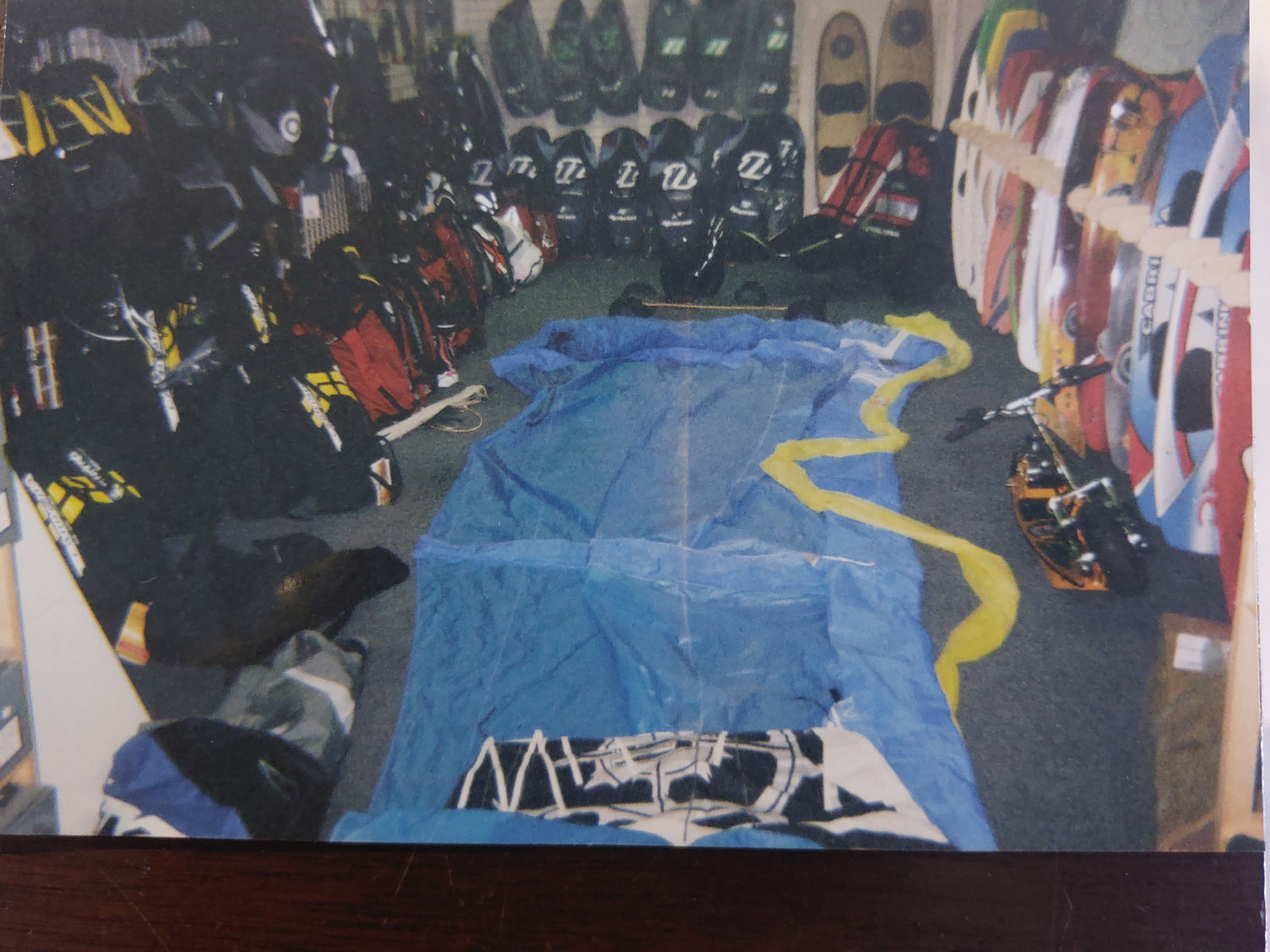
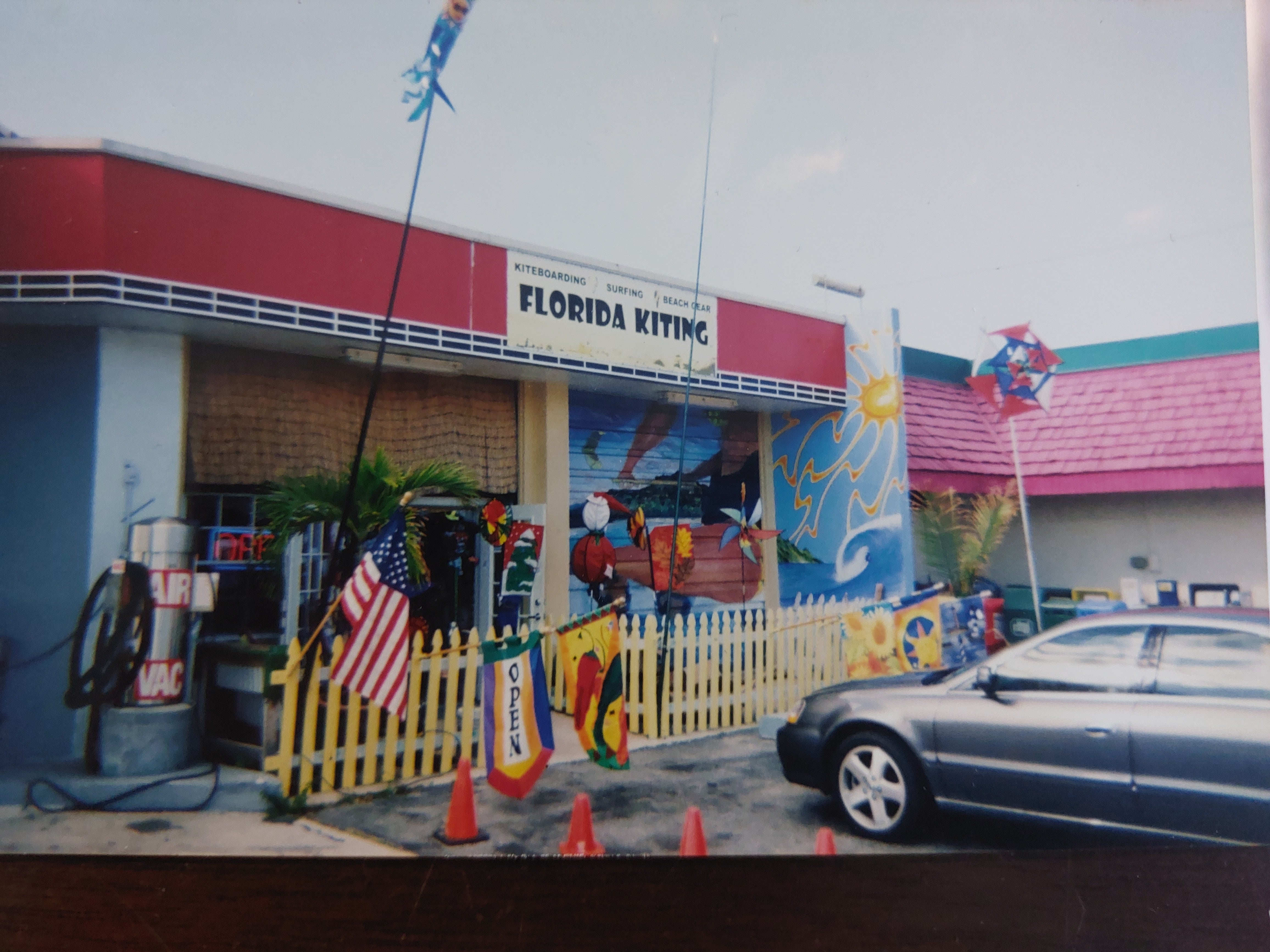
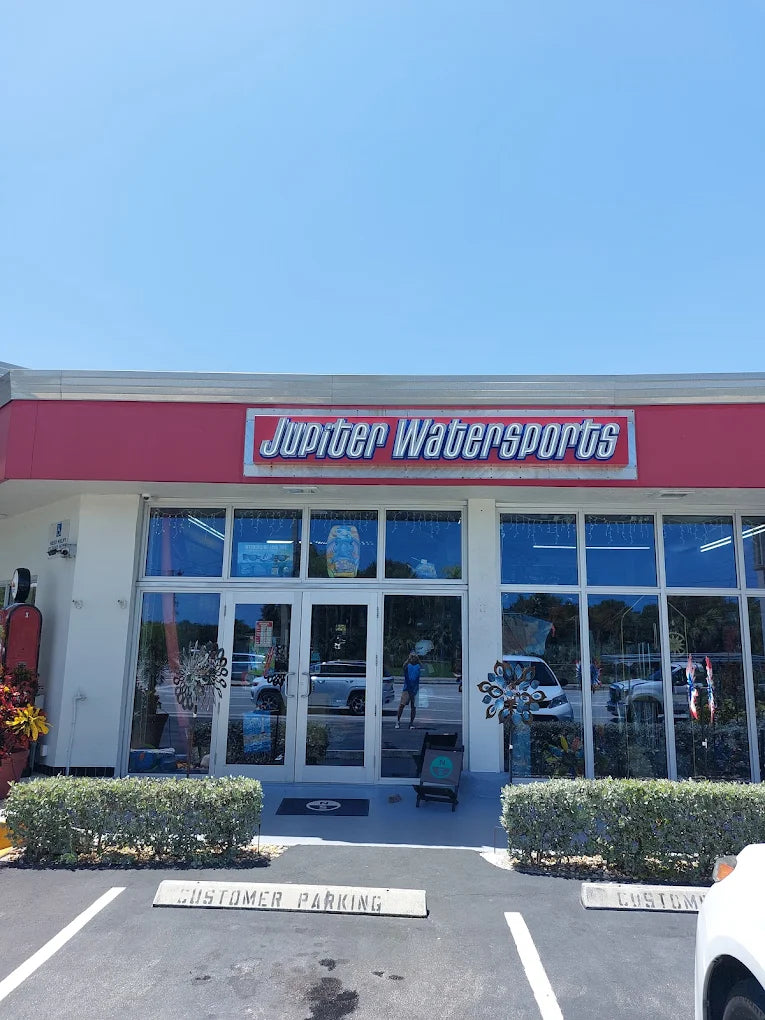
It really all started by accident way back in 2005 during the emergence of the various extreme watersports. Since there were no local dealers in the area to satisfy this craze, we started our own one-man, open-air shop to serve the local clientele. Since these humble beginnings, to now being the largest extreme watersports dealer in the SE US, we’ve never forgotten our core purpose… unsurpassed customer service.
Our team’s 70+ years’ of watersports experience is ready to help provide you with all your watersports needs. Whether you’re brand new to the industry or a seasoned veteran, we’ll do whatever we can to help you get out on the water. Give us a call or stop on by one of our retail locations… we’re always excited to talk shop (water shop that is).
Blog posts

What to Expect in Your First Kiteboarding Lesson in Florida
If you’ve watched kiteboarders cruising across the water and thought, I want to try that, your first lesson is where it all begins. Kiteboarding can look intimidating from shore, but learning the fundamentals is more approachable than many beginners expect—especially when you start with professional instruction, appropriate equipment, and the right conditions. At Jupiter Watersports, one of the most common questions we hear from new riders is: What actually happens during my first kiteboarding lesson? The short answer? You probably won’t be riding across the water on day one—and that’s completely normal. Your first lessons are about developing the kite-control and safety skills you’ll need before adding a board. Here’s what beginners can expect when learning to kiteboard in Florida. Your First Lesson Starts With Safety and Kite Control Before you ever think about putting a board on your feet, you need to understand the kite. A professional instructor will introduce you to the equipment, explain how the safety systems work, teach you about the wind window, and show you how to safely control the kite. You’ll learn skills such as: Understanding wind direction and the wind window Setting up and inspecting your equipment Launching and landing procedures Steering the kite Controlling and reducing power Using the control bar and safety system Basic emergency procedures Steering a kite is surprisingly intuitive once you learn the correct technique. One misconception beginners often have is that kiteboarding requires tremendous upper-body strength. It doesn’t. Your harness and body weight take much of the kite’s load, while the control bar is used to steer and manage power. Good technique is much more important than brute strength. Don’t Expect to Be Riding on Day One It’s natural to show up for your first kiteboarding lesson eager to get on the board. However, rushing onto the water before developing solid kite control isn’t the goal. For many beginners, getting on the board may not happen until around the third or fourth lesson, depending on individual progression, conditions, and lesson structure. Those early lessons create the foundation you’ll rely on every time you kite. Once you can confidently control the kite, understand its power, and respond appropriately when something doesn’t go according to plan, you’re much better prepared to begin working on water starts and riding. Think of it as learning to control the engine before learning to drive. You’ll Learn on a Real Kite—Just a Smaller One Beginners may assume their first lesson will only involve a small trainer kite. While trainers can be useful, you’ll eventually begin working with the same style of inflatable kite used for kiteboarding—just in an appropriate, manageable size. For example, a 6m kite can provide a safer introduction under the appropriate conditions than immediately putting a beginner on a large, powerful kite. Your instructor will determine the correct kite based on factors including your weight, wind speed, experience, and lesson environment. The objective isn’t to give you as much power as possible. It’s to give you enough power to learn how a kite behaves while maintaining control. Ideal Wind Conditions for a Beginner Kiteboarding Lesson More wind doesn’t necessarily mean a better lesson. For beginners, steady, relatively light wind around 13–20 knots can provide a good learning environment, depending on the rider, equipment, and location. Consistency matters. Strong, gusty, or unpredictable wind can make learning significantly more difficult. Your instructor may postpone or adjust a lesson when conditions aren’t appropriate—and that’s a good thing. Kiteboarding is a wind-dependent sport. Learning when not to go out is part of becoming a competent rider. Your Learning Location Matters An empty field isn’t automatically a safe place to learn kiteboarding. Kites require a significant amount of open space, and beginners need additional room to make mistakes safely. Obstacles, crowds, buildings, power lines, trees, swimmers, and other beach users can all create hazards. Ideally, beginners learn in a large, open area with plenty of room and minimal obstacles. A wide sandy beach can provide an excellent environment when the wind direction and local regulations are appropriate. This is another reason professional instruction is so valuable. An experienced local instructor doesn’t just teach you how to fly the kite—they understand where and when it’s appropriate to learn. What Gear Is Used During a Kiteboarding Lesson? Your lesson setup may include equipment such as: A beginner-appropriate inflatable kite Compatible control bar and lines Waist harness Kite safety leash Kite pump Helmet and other appropriate safety equipment One example of a lesson-sized setup is a Duotone Neo 6m paired with a compatible Duotone Trust Bar. A waist harness such as the Mystic Warrior can provide the connection between the rider and kite, while a proper safety leash remains an essential part of the system. The exact equipment used should always be selected according to the rider and conditions. What Should You Buy After Your Lessons? One advantage of taking lessons before purchasing equipment is that you’ll understand much more about what you actually need. A common beginner mistake is buying an inexpensive used kite online before taking lessons. Used equipment isn’t automatically bad, but beginners often don’t know how to evaluate it. An older kite may have leaks, worn fabric, damaged valves, questionable repairs, or an outdated safety system. You may also discover that the control bar isn’t compatible with the kite. A cheap used kite can quickly become an expensive repair project. For a first setup, we generally recommend looking at a versatile freeride or surf/freestyle kite, often somewhere around the 10–12m range, depending heavily on rider weight and the conditions where you’ll be riding. Popular setups available through Jupiter Watersports include combinations such as: Duotone Neo or Evo with a compatible Duotone control bar North Carve or Reach with a North Navigator control system Rather than choosing a kite based solely on price or size, talk to someone who can help match your complete setup. Don’t Overlook Your Control Bar The control bar is one area where beginners shouldn’t simply grab whatever is cheapest. A roughly 50cm bar with 22m lines can be a versatile configuration across multiple kite sizes, although compatibility should always be verified for the specific kite and manufacturer. Modern control systems have also made major improvements in safety and ease of use. Newer quick-release systems are designed to be faster and more intuitive than older systems. Your kite and bar function as a system. When shopping for your first setup, we recommend pairing your kite with a compatible control bar from the same manufacturer unless you’ve confirmed another combination is appropriate. What Should You Wear for Kiteboarding in Florida? Florida’s warm climate means heavy wetsuits aren’t necessary for much of the year. During the coldest part of winter, a 3/2mm wetsuit will often provide enough warmth for many Florida riders, depending on the day’s air and water temperatures. That doesn’t mean wetsuits are useless during warmer months, though. Neoprene can provide additional protection from sun exposure, minor impacts, abrasions, and sharp objects. Depending on conditions, riders may choose a thinner wetsuit, springsuit, rashguard, or other sun-protective gear. Your First Goal Isn’t Riding—It’s Becoming a Safe Kiter It’s easy to measure progress by asking, When will I finally get on the board? A better question is: Am I learning to control the kite safely and confidently? Once kite control becomes second nature, everything else starts to come together. Water starts, board control, riding upwind, transitions, and eventually more advanced skills all depend on the foundation you develop during your first few lessons. Taking the time to learn correctly is one of the best investments you can make in the sport. Frequently Asked Questions About Learning to Kiteboard Do I need a strong upper body to kiteboard? No. Kiteboarding is more about technique than upper-body strength. Your harness transfers much of the kite’s pull through your body, while the control bar allows you to steer and manage the kite with relatively little effort. Will I get on the board during my first lesson? Usually, you should not expect to ride immediately. Many beginners spend their first lessons developing safety and kite-control skills before progressing to water starts, with progression varying by rider and conditions. How much wind do I need for a kiteboarding lesson? Steady winds in roughly the 13–20 knot range can work well for beginner instruction, depending on rider weight, equipment, location, and your instructor’s assessment. Where can I learn to kiteboard in Florida? Florida offers kiteboarding locations throughout South Florida and beyond, including areas in Palm Beach, Broward and Miami-Dade counties, the Florida Keys, and destinations along Florida’s west coast such as Fort Myers, Naples, and St. Petersburg. Conditions, restrictions, and appropriate wind directions vary by location, so local knowledge is important. Should I buy kiteboarding gear before taking lessons? We recommend taking lessons first. You’ll gain a better understanding of kite sizes, control systems, harnesses, safety features, and the equipment appropriate for your weight and local conditions before making a significant investment. Start Your Kiteboarding Journey With Jupiter Watersports Your first kiteboarding lesson isn’t about seeing how quickly you can get on a board. It’s about learning the skills that will eventually allow you to ride independently, confidently, and safely. Once you’re ready for your own equipment, Jupiter Watersports can help you build a kiteboarding setup around your weight, ability level, riding goals, and Florida’s conditions. We carry top kiteboarding brands and can help take the guesswork out of choosing compatible kites, control bars, harnesses, and accessories. Ready to get started? Shop kiteboarding gear with Jupiter Watersports or contact our team for help choosing your first setup.
Learn more
The Best Kitesurfing Gear for Florida Conditions: A Beginner's Guide
Not sure what kitesurfing gear works best in Florida? Discover the beast beginner kite, board, and safety tips to help you learn faster and ride in confidence.
Learn more
How to Choose the Right Kiteboarding Kite: A Complete Buyer’s Guide
Written by one of our top instructors, Jose of Kite Legend School, this guide explains how to choose the right kite based on your weight, local wind conditions, riding style, and experience level. Learn how to avoid common mistakes and find the perfect setup for safer, more enjoyable sessions on the water.
Learn more