

Blogs
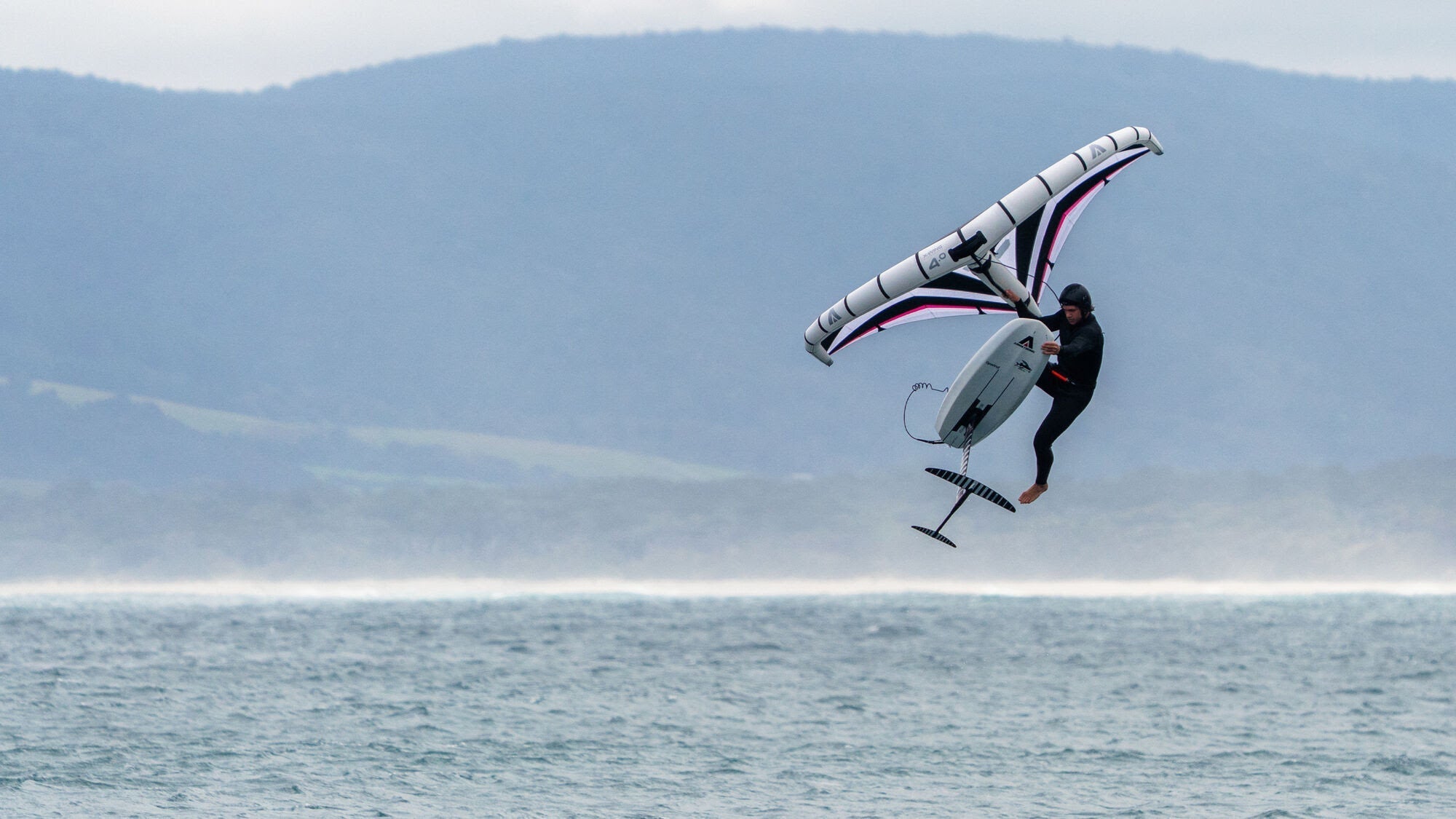

Can You Wing Foil on a Lake?
Yes, you most certainly can wing foil on a lake. In fact, it’s one of the easiest and most enjoyable ways to learn the sport, and many riders actually prefer it. Lakes provide smooth, flat water and steady winds that make balancing and getting up on foil much easier than in ocean conditions. Without waves, currents, or tides to worry about, you can focus entirely on controlling your wing, refining your stance, and building confidence with every session. Why Lakes Are Great for Learning Wing Foiling Lakes offer smoother and more predictable water than the ocean, which makes them ideal for new riders. Without waves or currents, you can focus on your technique rather than fighting the elements. Here’s why lake wing foiling is so popular: Calmer water: Easier to balance and relaunch your wing. Consistent depth: Great for practicing foot placement and foil control. Less crowding: Many lakes have open water with fewer people or boats. No waves or tides: Keeps your focus on riding instead of managing conditions. If you’re just starting out, lakes provide a low-pressure, safe environment to build confidence and progress faster. What You Need to Wing Foil on a Lake Wing foiling doesn’t require massive space, just a moderate-sized lake with steady wind and enough depth for your foil. Here’s what you’ll need for a successful session: Wind: At least 10–15 knots of consistent breeze. Board: A high-volume wing foil board for easier starts. Wingsurfer Wing: Choose a size that matches your body weight and wind speed. Safety gear: Surf Helmet, Impact Vest, and leashes for both your wing and board. You can find a wide selection of premium Wingsurfer Wings and Foil Boards at Jupiter Watersports, perfect for calm-water setups. Tips for Wing Foiling on Freshwater Lakes While lake foiling is fun and accessible, it does come with a few unique conditions to consider: Watch the wind shifts: Lakes can have gusty or uneven wind depending on nearby trees or terrain. Use larger gear: Because wind is often lighter on lakes, a bigger wing or board helps you get on foil faster. Launch from clear areas: Avoid docks, swimmers, or shallow zones. Rinse your gear: Freshwater can leave mineral buildup on foil parts, rinse after each session to prevent corrosion. With a little preparation, lake foiling can feel just as thrilling and free as ocean riding. Lakes Known for Great Wing Foiling Across the U.S., several lakes are becoming wing foiling hotspots: Lake Tahoe (CA/NV) – Cold, clear, and consistent wind. Great Lakes (MI) – Excellent open-water sessions for intermediate riders. Lake Travis (TX) – Warm water and frequent wind in summer. Lake Mead (NV) – Big, open spaces for long rides and smooth foiling. Even if you live far from the coast, these destinations prove that you don’t need waves to enjoy the freedom of wing foiling. Foil Anywhere, Anytime Whether it’s the ocean, a bay, or your local lake, wing foiling gives you the freedom to ride almost anywhere the wind blows. Lakes are not only safe for learning, they’re perfect for mastering technique at your own pace. With the right setup and gear from Jupiter Watersports, your next great session could be just down the road.
Learn more
Is Wing Foiling Dangerous?
If you’ve watched people gliding effortlessly across the water on a foil, you’ve probably wondered: Is wing foiling dangerous?The short answer is no, when done with the right gear, instruction, and awareness, wing foiling is one of the safest wind sports out there. Like any sport that involves wind, water, and speed, there are risks. But understanding those risks and using proper safety equipment can make your sessions not only fun but safe from day one. Understanding the Risks of Wing Foiling Most wing foiling accidents come from one of three things: lack of experience, poor conditions, or skipping safety gear. Common beginner mistakes include: Riding in winds that are too strong or gusty Launching in crowded areas Falling near the foil Using a leash incorrectly or not at all These are all easily avoided with training and preparation. Once you learn control and awareness, wing foiling becomes surprisingly forgiving compared to kiteboarding or windsurfing. Why Wing Foiling Is Safer Than It Looks Unlike kiteboarding, wing foiling doesn’t use long lines or a fixed harness.If you fall, you simply let go of the wing, and it instantly loses power. There’s no high tension, no hard pull, and the foil slows quickly in the water. Here’s what makes it safer: Instant depower: Let go, and the wing drifts away without dragging you. Slower speeds: Wing foiling generally runs at lower speeds than kiteboarding. Compact setup: No long lines or big kites that can cause tangles. Soft impact zones: You’re standing on the board, not strapped in, so falls are gentler. These factors make it an ideal wind sport for people of all ages and fitness levels. Essential Wing Foiling Safety Gear If you want to reduce risk even further, safety gear is key. Here’s what you should always wear: Surf Helmet – Protects from unexpected foil contact or falls. Impact vest or flotation jacket – Adds buoyancy and chest protection. Leashes – One for the wing and one for the board to prevent runaway gear. Wetsuit – Adds warmth and light protection against scrapes or stings. Shop premium Water Sportswear at Jupiter Watersports for extra protection without sacrificing comfort. Start in Safe Conditions Choose calm, waist-deep water with steady wind between 10 and 15 knots for your first few sessions. Avoid offshore wind and always check weather forecasts before heading out. Taking Wing Foiling Lessons from a certified instructor helps you develop safe habits early, saving you time and avoiding bad experiences later. Confidence Comes with Experience Every new sport feels risky until you gain control. Within just a few sessions, most beginners find that wing foiling feels natural and surprisingly peaceful. The combination of balanced power, smooth lift, and quiet motion makes it one of the most rewarding ways to experience the ocean. Safe, Simple, and Addictive Wing foiling is only as dangerous as you make it. With proper gear, good judgment, and a few lessons, it’s one of the safest and most exhilarating water sports today.Gear up at Jupiter Watersports and start your next adventure with confidence.
Learn more
How Do I Choose the Right Wing Size?
Choosing the right wing size is one of the most important steps in learning to wing foil. The size of your wing affects how quickly you’ll get up on the foil, how much control you have, and how enjoyable your sessions are, especially as a beginner. Understanding how to match your wing to your body weight, local wind conditions, and skill level ensures a smoother learning curve and better performance on the water. How Wing Size Impacts Performance Wing size determines how much power the wing can generate. A larger wing creates more lift in lighter wind, while a smaller wing is easier to handle in strong wind. In general: Bigger wings = more power, slower handling Smaller wings = less power, faster handling If you’re new to wing foiling, finding the right balance between control and lift is key. A wing that’s too big can overpower you, while one that’s too small won’t provide enough pull to get you foiling. Choosing the Right Wing Size by Body Weight Here’s a quick guide to help you determine the best starting point: Rider Weight (lbs) Light Wind (10–15 knots) Moderate Wind (15–20 knots) Strong Wind (20+ knots) 120–150 5m–6m 4m–5m 3m–4m 150–180 6m–7m 5m–6m 4m–5m 180–210+ 7m–8m 6m–7m 5m–6m This guide gives you a good starting range, but it’s always best to test in your typical conditions and adjust based on your comfort level. How Wind Conditions Affect Wing Size Your local wind range will greatly influence your setup. Light Winds (10–15 knots): Larger wings (5.5m–7m) create the lift needed to start foiling early. Moderate Winds (15–20 knots): Medium wings (4m–5.5m) provide ideal control and stability. Strong Winds (20+ knots): Smaller wings (3m–4m) are safer and easier to maneuver. If you live in a windier area, it’s common to own two or three wing sizes to cover different conditions. Consider Your Skill Level Beginners should start with a slightly larger wing to make learning easier. As you progress, you’ll develop better pumping technique and balance, allowing you to use smaller wings efficiently. Beginners: Start with a forgiving, stable wing in the 5m–6m range. Intermediate Riders: Add smaller or larger wings to match your local conditions. Advanced Riders: Use smaller, faster wings for high-speed control and tricks. Shop Trusted Wing Brands At Jupiter Watersports, we carry premium wings from trusted brands like DUOTONE, F-ONE, and Armstrong. These brands design their wings for all experience levels, offering strong yet lightweight frames that deliver smooth power and precise handling. Explore our complete range of Wingsurfer Wings to find your perfect setup. Finding Balance in Your Wing Size Choosing the right wing size is about matching your skill, body weight, and local wind conditions. Start with a slightly larger wing if you’re new to the sport, then refine your setup as you gain control and confidence. With the right wing, you’ll learn faster, stay safer, and enjoy more time on the water, exactly how wing foiling should feel.
Learn more
What Size Wing Board for Beginners?
Learning to wing foil is one of the most exciting ways to get on the water. But before you can start riding, you’ll need the right board size. Choosing the correct wing board makes all the difference in stability, lift, and how quickly you progress as a beginner. Understanding How Board Volume Works When it comes to wing boards, volume is everything. Measured in liters, the volume determines how much buoyancy your board has and how easily it floats with your weight and gear on top. A simple rule for beginners is to start with a board that has 20–40 liters more volume than your body weight. For example: If you weigh 70 kg (155 lbs), aim for a 90–110L board. If you weigh 80 kg (175 lbs), a 100–120L board will be ideal. This extra volume helps you stay balanced when standing, learning to control the wing, or attempting your first water starts. Why a Larger Wing Board Helps Beginners As a beginner, stability is key. Larger wing foil boards provide: More floatation, which helps during light-wind conditions. Easier balance, so you can focus on learning wing control. Gentler take-offs, letting you practice foiling without constant falls. While smaller boards look sleek, they require stronger wind, better balance, and more experience. Once you can consistently get up and foil, you can size down to something more agile. Matching Your Wing Board to Wind and Conditions Your local conditions also play a major role in board selection. Light winds (10–15 knots): Use a higher-volume board to maintain lift. Moderate winds (15–20 knots): You can size slightly smaller for more maneuverability. Stronger winds (20+ knots): Experienced riders may prefer compact boards for quick response. If you’re practicing in calm water, a slightly larger board offers more forgiveness. In choppy or gusty winds, extra volume gives you stability and confidence to focus on technique. Foil Board Features That Matter Not all wing boards are built the same. When choosing your first one, look for: Wide outline – helps distribute weight evenly for balance. Flat rocker – keeps the board level while standing still. Strong foil mount – ensures your setup stays secure under pressure. Soft deck pad – provides grip and comfort for longer sessions. These features help you progress faster and stay comfortable while learning. Start with a Stable Setup Beginners often do best with a complete foil board package that includes the board, foil, and appropriate wing size. At Jupiter Watersports, we carry trusted brands like Armstrong, DUOTONE, and F-ONE, all offering beginner-friendly setups designed for easy lift and balance. Choose Comfort and Control First Your first wing board should make learning fun, not frustrating. Go for stability, lift, and volume over speed at the beginning. Once you can confidently get up and foil, you can transition to a smaller board that offers more agility and performance. Find the right board for your skill level in our Foil Boards Collection and take the first step toward mastering the art of wing foiling.
Learn more